
The Best Things to Do in Queenstown: An Australian’s Guide


Queenstown has a habit of turning a first visit into a recurring appointment.
For Australians, part of the appeal is how easily it can be reached. Direct flights from Sydney, Melbourne and Brisbane take roughly three to three and a half hours. Yet when you arrive, the combination of alpine peaks, deep blue water and crisp mountain air feels far removed from an ordinary weekend away.
Queenstown is still New Zealand’s adventure capital, but that description now tells only part of the story. The town has become a serious food, wine and wellness destination, with enough variety to satisfy the adrenaline hunter, the long lunch specialist and the traveller who considers a spa booking a legitimate form of sightseeing.
This is not an exhaustive catalogue of everything you can do. It is a practical shortlist of the Queenstown experiences most worth building a trip around.
1. Let someone else drive through Central Otago wine country

Queenstown sits on the doorstep of one of the world’s most striking cool climate wine regions.
Pinot Noir is the headline attraction, but Central Otago also produces excellent Chardonnay, Riesling, Pinot Gris and sparkling wine. Gibbston’s vineyards are around 25 minutes from central Queenstown, while a longer tour can continue through Cromwell and Bannockburn.
A guided tour is usually the easiest way to explore. You can taste properly, avoid appointing an increasingly resentful designated driver and learn why two vineyards separated by a short drive can produce noticeably different wines.
Destination Queenstown lists options ranging from small group tours to cycling routes, private tours and helicopter wine experiences.
Choose the operator according to the type of day you want:
Appellation Wine Tours is a strong fit for visitors who want a wine focused small group or private experience. The company has operated since 1999 and covers boutique vineyards across Central Otago.
Altitude Tours offers several formats, including shorter Gibbston tastings, food and wine experiences and afternoon tours combining wine or craft beer.
Alpine Luxury Tours is aimed at private and tailored itineraries, including helicopter wine experiences for those looking to make a proper occasion of it.
For most first time visitors, a small group tour covering three or four cellar doors offers the best balance of wine, scenery and local knowledge.
2. Choose your preferred level of adventure

Adventure in Queenstown ranges from mildly invigorating to the sort of activity that requires you to sign a waiver before your common sense catches up.
The region offers more than 200 activities, including jet boating, skydiving, rafting, canyon swinging, paragliding, mountain biking and hiking. Many operate throughout the year, while skiing and snowboarding dominate the winter months.
For an accessible first taste of Queenstown adrenaline, Shotover Jet combines speed and scenery through the narrow Shotover River canyons. It has operated since 1965 and is the only jet boat operator permitted within that particular canyon section.
Those prepared to go considerably higher can try a tandem jump with NZONE Skydive, which operates over Queenstown’s lake and mountain landscape.
Rafting, canyon swings and paragliding sit somewhere between the two, although your personal definition of “somewhere between” may change once you are standing on the platform.
3. Decide whether you want the original bungy or the biggest one

Queenstown’s association with bungy jumping is not a marketing invention.
The world’s first commercial bungy operation began at the Kawarau Bridge in 1988. The jump remains the natural choice for anyone who wants to experience the place where commercial bungy began.
For something considerably less restrained, the Nevis Bungy drops 134 metres above the Nevis River and is New Zealand’s highest bungy jump.
The decision is fairly simple:
Choose Kawarau Bridge for history, atmosphere and the original Queenstown experience.
Choose Nevis when 43 metres does not seem sufficiently unreasonable.
Both are operated by AJ Hackett Bungy New Zealand, the company closely associated with Queenstown’s commercial bungy history.
4. Eat somewhere worth travelling for

Queenstown was already famous for mountains, snow, Pinot Noir and activities capable of testing both your courage and your travel insurance.
Now it is home to New Zealand’s only two Michelin star restaurant.
Essence, at the ROKI Collection above Lake Whakatipu, received two stars in the inaugural Michelin Guide New Zealand 2026. Executive chef Paul Froggatt’s tasting menus combine New Zealand produce with contemporary European technique.
Queenstown’s wider dining region also performed exceptionally well:
• Amisfield, near Lake Hayes, received one Michelin star.
• Rātā, in central Queenstown, received one star.
• Sherwood, overlooking Lake Whakatipu, received one star.
• Kika, in Wānaka, received one star and can be included in a wider Southern Lakes itinerary.
The Michelin recognition is not limited to formal tasting menus. The wider destination received Bib Gourmand awards for restaurants offering very good food at more accessible prices, including Aosta in Arrowtown, Sundays and The Cow in Queenstown, along with several Wānaka restaurants.
Advance reservations are sensible for the starred restaurants. For Essence in particular, the combination of limited seating and international attention is likely to make spontaneous bookings difficult.
5. See Lake Whakatipu from the water

It is easy to spend an entire Queenstown trip looking at Lake Whakatipu without ever going onto it.
That would be a mistake.
The best known experience is the TSS Earnslaw, the historic steamship that crosses the lake to Walter Peak High Country Farm. It can be combined with farm experiences or dining at Walter Peak and works particularly well for couples, families and visitors who prefer scenery to freefall.
Other choices include the locally owned Million Dollar Cruise and Southern Discoveries’ lake services. These provide a more compact way to see the mountains, bays and shoreline that cannot be fully appreciated from the town centre.
A useful rule is:
Choose the TSS Earnslaw and Walter Peak when you want the cruise to become a half day experience.
Choose a shorter scenic cruise when you want to get onto the lake without committing a large part of the day.
6. Take a helicopter flight into the mountains
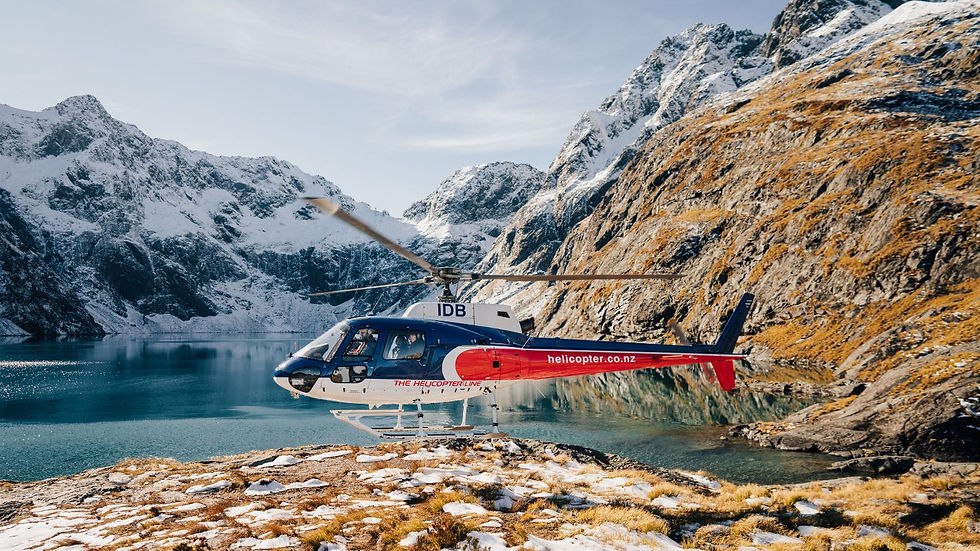
Queenstown is impressive from ground level. From the air, its geography makes much more sense.
A scenic helicopter flight can range from a short circuit over the Whakatipu Basin with an alpine landing to a longer flight into Mount Aspiring National Park, Fiordland or Milford Sound.
For a first helicopter experience, a 25 to 30 minute flight with an alpine or snow landing can provide the essential experience without consuming half the day. Longer glacier and Milford Sound flights are more expensive, but take you into landscapes that are difficult or impossible to reach by road.
Established Queenstown operators include Glacier Southern Lakes Helicopters and The Helicopter Line. Glacier Southern Lakes offers local alpine, glacier, Fiordland and Milford flights, while The Helicopter Line operates short Queenstown panoramas and longer Southern Alps experiences.
Book the flight early in your visit rather than on your final afternoon. Alpine weather can change, and an early booking leaves room to reschedule.
7. Recover properly at a spa, hot pool or floating sauna

Queenstown has progressed from being somewhere you recover from to somewhere people specifically travel to recover in.
Onsen Hot Pools and Day Spa is the established favourite. Its private cedar lined pools overlook the Shotover River, with options ranging from a standalone soak to packages combining the pools with massages and spa treatments.
For a more social and invigorating experience, Watershed Saunas operates a floating sauna on Lake Whakatipu, combining heat, mountain views and a cold plunge for those prepared to enter the lake voluntarily.
A newer central Queenstown option is The Bathhouse, which offers communal hot, ambient and cold pools, saunas and a steam room.
The sensible sequence is adventure first, recovery afterwards. Reversing the order may make it much harder to leave the hot pool.
A practical four day Queenstown itinerary
Day one: Arrive and find your bearings
Walk the lakefront, explore central Queenstown and take an afternoon cruise on Lake Whakatipu. Book a relaxed dinner rather than attempting the most ambitious restaurant immediately after the flight.
Day two: Do something you will talk about later
Choose a bungy jump, jet boat, skydive or other major adventure. Follow it with an Onsen soak, sauna or massage.
During winter, devote this day to Coronet Peak or The Remarkables and move the adventure activity to another afternoon.
Day three: Wine country
Spend the day exploring Gibbston and, depending on your tour, the wider Central Otago wine region. Include Arrowtown before returning to Queenstown for dinner.
Day four: See Queenstown from above
Take a scenic helicopter flight or a longer flight toward Milford Sound. Finish with a Michelin recognised restaurant, lakefront dining or somewhere casual enough that hiking boots are not a diplomatic incident.
Why one Queenstown trip often leads to another
Four days is enough to understand Queenstown, but rarely enough to finish it.
A winter trip can revolve around skiing and fireside dining. Summer brings hiking, cycling, golf and lake activities. Autumn offers vineyards and colour, while spring can combine late season snow with longer, warmer days.
That is when some Australian visitors begin asking a different question:
We keep coming back to Queenstown. Does it make sense to continue paying for accommodation every time, or could we own a place that earns income when we are not using it?
Owning a Queenstown property is not automatically cheaper than booking a holiday.
Personal stays displace paying guests, and purchase price, finance, management costs, body corporate charges, local rules, tax and net income all have to be examined.
But for Australians who return regularly and are already considering property investment, it is a reasonable proposition to investigate.
A suitable property may provide:
a familiar Queenstown base for selected personal stays
professionally managed short stay income while the owner is in Australia
exposure to a different property and tourism market
a blend of lifestyle use and long term ownership
The key is to assess it as an investment first, rather than allowing the mountain view to perform the financial analysis.
Staircase helps Australian buyers examine Queenstown property options, including purchase analysis, expected income, owner use scenarios, due diligence and fully managed short stay arrangements.


Comments